
- All
- Product Name
- Product Keyword
- Product Model
- Product Summary
- Product Description
- Multi Field Search


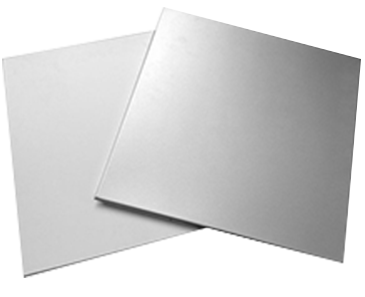

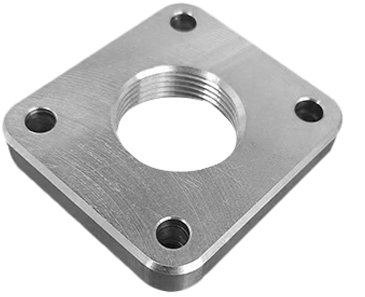
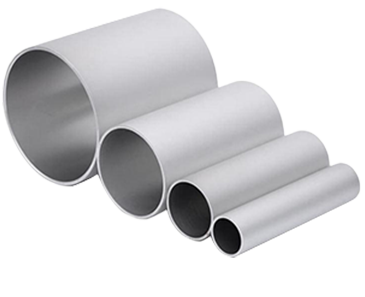
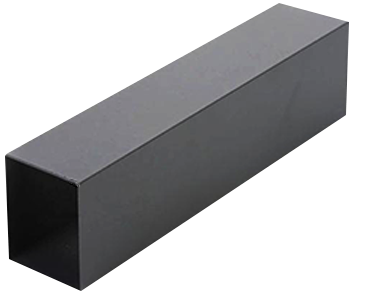
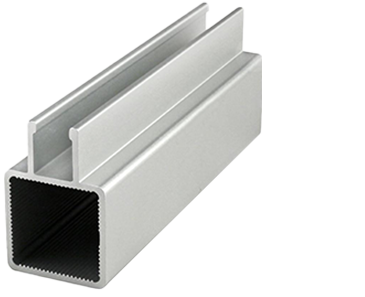
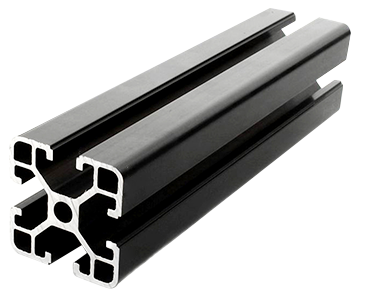


In recent years, the use of aluminum pipe has surged in popularity, particularly in the realm of lightweight structures. This trend is driven by the material's unique properties, which make it an ideal choice for various applications.
Read More
Automotive industry:- Body structure: Engine hood, doors, fenders, all-aluminum body frame (ASF). Using aluminum can reduce the weight of the vehicle by 30-40%. - Power system: Battery housing for new energy vehicles (with extremely high requirements for sealing, heat dissipation and lightweighting
Read More
Food and Pharmaceutical Packaging:- Cans: Beverage can bodies (3004 alloy), can lids (5182 alloy).- Flexible Packaging: Composite foil (such as milk Tetra Pak, pharmaceutical blister packaging), food foil (used for baking, barbecuing, preservation).- Industrial Packaging: Industrial containers, chem
Read More
Power Transmission:- High-voltage transmission lines: Almost all use aluminum-clad steel wire (ACSR) as the conductor. Aluminum has a lower density than copper and is more conductive, making it ideal for long-distance transmission, which can significantly reduce the load and cost of towers.
Read More
Industrial buildings and warehouses: Large roof, wall, and curtain wall systems. Aluminum plates have strong weather resistance and low maintenance costs.Bridges: Pedestrian bridges, mobile bridges. Lighter in weight, reduces the load on bridge piers, suitable for soft soil foundations or scenarios
Read More
Understand the critical differences between aluminum sheet and plate. Learn about thickness thresholds, mechanical properties, and fabrication uses.
Read More
Learn how to select the best formable aluminum sheet for bending. Compare 5052, 3003, 6061, and 2024 alloys to prevent cracking and optimize production.
Read More
Learn why surface treatment is critical for aluminum sheets. Explore mechanical, electrochemical, and plasma methods to prevent corrosion and failure.
Read More


