
- All
- Product Name
- Product Keyword
- Product Model
- Product Summary
- Product Description
- Multi Field Search
Views: 0 Author: Site Editor Publish Time: 2026-08-09 Origin: Site


Raw aluminum naturally forms a protective oxide layer, but this baseline defense frequently fails in high-stress, corrosive, or adhesive-dependent industrial applications. The native oxide skin measures only a few nanometers thick. When you expose it to harsh chemicals, mechanical abrasion, or galvanic environments, this thin barrier degrades rapidly. Specifying an inadequate or incompatible surface treatment leads to catastrophic coating delamination, structural fatigue, premature corrosion, and costly assembly failures.
To mitigate these risks, engineering and procurement teams must evaluate surface modification technologies. These range from mechanical abrasion to plasma activation. Ensuring the selected treatment aligns with specific operational thresholds, alloy characteristics, and lifecycle requirements prevents field failures. A properly treated Aluminum Sheet forms the foundation for reliable structural bonding, durable aesthetic finishes, and long-term environmental resistance.
Surface treatments fundamentally alter the mechanical interlocking, wettability, and chemical resistance of an aluminum sheet, dictating its performance in the field.
Alloy chemistry (e.g., 5xxx series like AA 5052-H32 vs. 6xxx or 7xxx series) significantly influences how the substrate responds to chemical, electrochemical, and thermal treatments.
Selection must be driven by the end-use environment: electrochemical processes (anodizing) excel in wear resistance, while thermal/chemical modifications (plasma and flame) are critical for adhesive bonding and printing.
The long-term durability of a coated aluminum sheet relies entirely on the precise execution of pre-treatment parameters, specifically surface energy, cleaning cycles, and surface roughness.
Cost-to-performance trade-offs require balancing the scalability of continuous coil coating against the specialized performance of post-fabrication batch treatments and inline activation.
Bare aluminum possesses inherent physical and chemical limitations when deployed in demanding environments. While the metal is celebrated for its strength-to-weight ratio, its untreated surface remains highly reactive. The natural oxidation process occurs instantaneously upon exposure to oxygen, forming a native aluminum oxide layer. However, this natural protection is typically only 2 to 10 nanometers thick. This microscopic barrier is inconsistent and porous, making it entirely inadequate for providing reliable protection against aggressive industrial elements, salt spray, or acidic compounds.
Different alloy compositions introduce specific vulnerabilities that alter natural corrosion resistance and surface reactivity. We see this constantly in fabrication shops where material selection directly impacts the required pre-treatment workflow. For example, the magnesium content in AA 5052-H32 provides excellent marine corrosion resistance but requires specific desmutting steps during chemical cleaning. Copper-rich 2xxx series alloys offer high strength but suffer from poor natural corrosion resistance, demanding robust barrier coatings. Zinc-heavy 7xxx series alloys are prone to stress corrosion cracking if surface treatments fail to seal the substrate from moisture ingress.
Alloy Series | Primary Alloying Element | Inherent Vulnerabilities | Pre-Treatment Focus |
|---|---|---|---|
2xxx Series | Copper | High susceptibility to galvanic corrosion. | Requires heavy barrier coatings or cladding. |
5xxx Series | Magnesium | Smut formation during alkaline etching. | Aggressive acidic desmutting required. |
6xxx Series | Magnesium & Silicon | Moderate oxidation, sensitive to heat. | Standard degreasing and conversion coating. |
7xxx Series | Zinc | Stress corrosion cracking in harsh environments. | Thick anodizing or multi-layer polymer sealing. |
Using untreated metal introduces severe failure modes. Galvanic corrosion accelerates rapidly in multi-material assemblies when bare aluminum contacts dissimilar metals like steel or copper in the presence of an electrolyte. Poor adhesive bonding is another common failure, as structural adhesives cannot anchor effectively to the weak, friable native oxide layer. Untreated surfaces are highly susceptible to surface galling under friction. Furthermore, filiform corrosion easily propagates under thin, poorly adhered coatings, leading to blistering and structural degradation.
Mechanical treatments physically alter the surface topography to increase the overall surface area. Processes like sandblasting, machining, and grinding remove the native oxide layer and surface contaminants while creating a specific roughness profile. Increasing surface roughness enhances mechanical interlocking, allowing subsequent primers or adhesives to physically grip the substrate. The effectiveness of this mechanical bond depends entirely on achieving the correct peak-to-valley height across the metal surface.
Blast media selection dictates the final surface characteristics. Alumina provides an aggressive, sharp profile ideal for heavy-duty coating adhesion. Glass beads create a smoother, peened finish that cleans without removing significant material. Steel grit is highly abrasive but introduces a severe risk of embedding iron particles into the soft aluminum matrix. If you do not chemically remove these embedded iron particles, they act as anodic sites, initiating localized galvanic corrosion beneath the coating.
Degrease the substrate to remove heavy oils before blasting.
Select the appropriate blast media based on the required mil-profile.
Execute the blasting process at a controlled pressure to prevent panel warpage.
Blow off residual dust using clean, dry compressed air.
Apply the primer or adhesive immediately to prevent flash oxidation.
Anodizing involves the electrochemical thickening of the natural oxide layer by submerging the metal in acid baths while applying an electrical current. Type II sulfuric acid anodizing creates a porous, protective layer suitable for architectural and decorative applications. Type III hardcoat anodizing operates at lower temperatures and higher voltages, producing a dense, thick oxide layer that significantly increases surface hardness, dielectric properties, and wear resistance.
The resulting anodic layer is highly porous immediately after the electrochemical bath. Pore sealing is mandatory to maximize corrosion resistance. Hot water sealing hydrates the aluminum oxide, causing it to swell and close the pores. Nickel acetate or sodium dichromate sealing methods introduce chemical inhibitors into the pore structure, drastically improving the metal's ability to withstand harsh chemical environments and salt spray.
Thermal and chemical modifications rely on surface activation and functionalization using plasma discharge or flame burners. These technologies bombard the surface with ionized gases or reactive flames. This process cleans the substrate at a molecular level and introduces polar functional groups. The science behind this activation focuses on modifying the surface chemistry without altering the bulk material properties or structural integrity of the metal.
Critical process variables determine the success of plasma and flame treatments. Discharge power, exposure time, and working gas composition must be tightly controlled. Using oxygen or compressed air increases surface oxidation, while argon or nitrogen can tailor the surface for specific adhesive chemistries. These treatments effectively remove microscopic organic contaminants, raise surface energy, and dramatically improve the wettability of adhesives, inks, and other polymer coatings.
Transitioning from surface preparation to applied barrier protection involves liquid spray, powder, and coil coating techniques. These methods produce high-performance materials designed for extreme environments. Applying barrier protections involves utilizing robust polymer systems like fluoropolymers (PVDF), polyesters, and epoxies. These coatings isolate the substrate from corrosive elements while providing functional chemical resistance.
A factory-produced Coated Aluminum Sheet delivers consistent film thickness and uniform curing. PVDF coatings are specified for their exceptional UV stability, color retention, and gloss control in architectural applications. Epoxies serve as excellent primers due to their chemical resistance and adhesion properties, though they require topcoats to prevent UV degradation. The application method directly impacts the final durability and aesthetic consistency of the product.
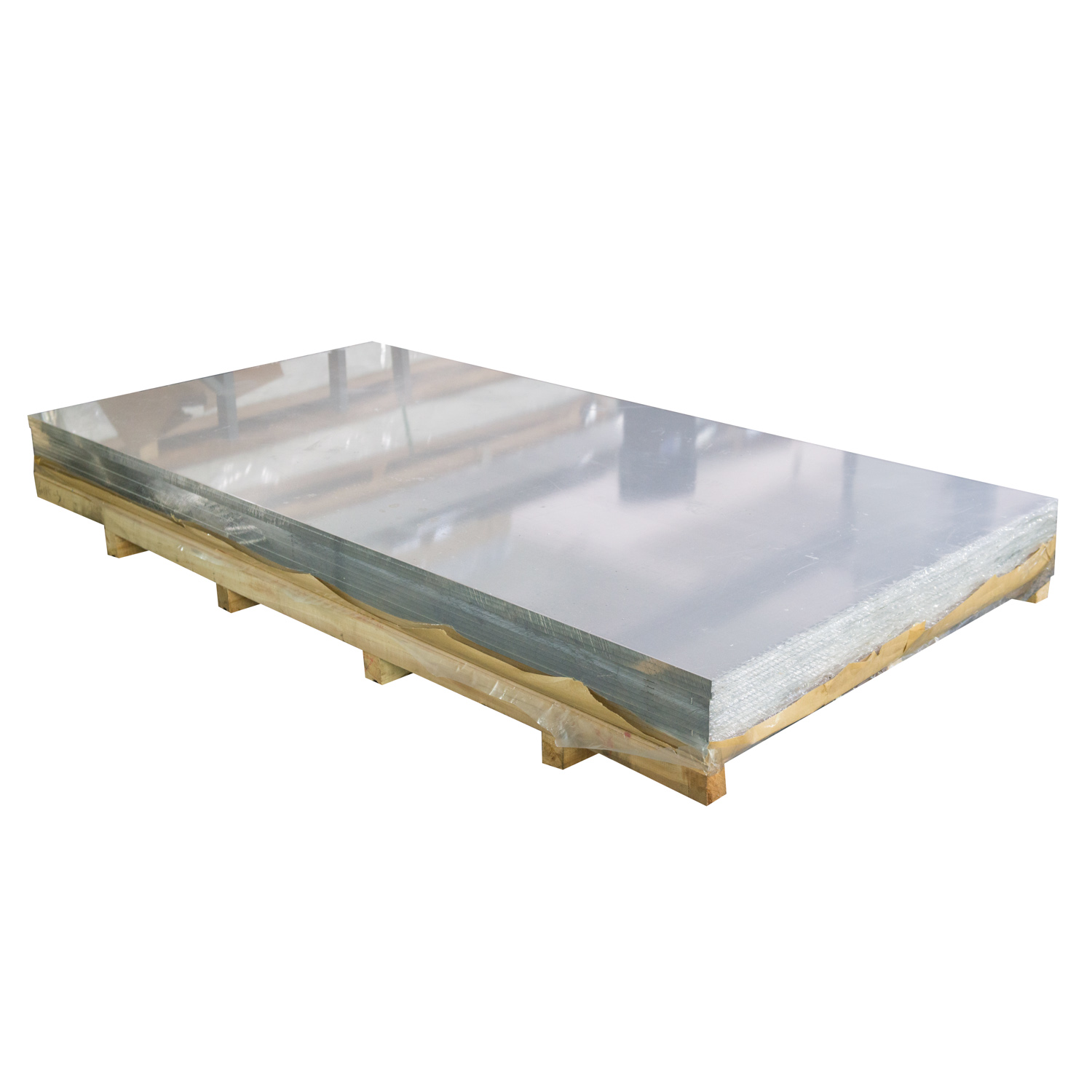
Structural adhesive bonding in automotive, aerospace, and construction assemblies requires rigorous success criteria. The primary goal is to achieve cohesive failure, where the adhesive itself tears before the bond at the metal interface breaks. Adhesive failure, where the glue cleanly separates from the metal, indicates inadequate surface preparation. Surface treatments must guarantee that the bond line can withstand dynamic loads, thermal cycling, and moisture exposure over decades of service.
Comparing treatment efficacy reveals distinct advantages. Atmospheric plasma treatment excels at raising surface energy for immediate bonding with epoxies and polyurethanes. Chemical conversion coatings provide a stable, corrosion-resistant foundation that prevents under-bond moisture ingress. Mechanical abrasion increases surface area but leaves the metal highly reactive and prone to rapid re-oxidation if not bonded immediately. Plasma and chemical methods generally offer more consistent, long-term bond durability than mechanical abrasion alone.
Treatments are evaluated based on standardized environmental testing. ASTM B117 salt spray testing and cyclic corrosion testing simulate years of exposure to harsh marine and industrial environments. These accelerated tests measure the time it takes for blistering, pitting, or mass loss to occur. The data generated dictates which surface treatment is specified for particular geographic locations or industrial applications.
Treatment Type | Salt Spray Resistance (ASTM B117) | Chemical Resistance (pH Range) | Best Application Environment |
|---|---|---|---|
Bare Aluminum (Untreated) | < 24 Hours | Narrow (pH 4.5 - 8.5) | Indoor, climate-controlled only. |
Type II Anodizing (Sealed) | 336+ Hours | Moderate (pH 4 - 9) | Architectural, light exterior. |
Type III Hardcoat Anodizing | 1000+ Hours | Moderate (pH 4 - 9) | High-wear industrial, marine. |
PVDF Coated Aluminum | 3000+ Hours | Broad (pH 2 - 11) | Harsh exterior, heavy industrial. |
Barrier performance varies significantly between treatment types. A heavily anodized layer provides excellent resistance to neutral environments but degrades quickly in highly acidic or alkaline conditions. In contrast, a multi-layer polymer coating system offers superior chemical resistance across a broader pH range. For marine environments, a combination approach—such as a chemical conversion coating followed by a high-build epoxy primer and a polyurethane topcoat—delivers the highest level of corrosion defense.
Friction coefficients and wear mechanisms dictate material longevity in moving assemblies. Abrasive wear occurs when hard particles gouge the metal surface, while adhesive wear happens when two metal surfaces weld together under pressure and tear apart. Bare aluminum is exceptionally soft and prone to both wear mechanisms, making surface hardening treatments mandatory for sliding or rotating components.
Choosing between hardcoat anodizing (Type III) and specialized ceramic-filled spray coatings depends on the specific high-friction application. Type III anodizing penetrates the substrate and builds outward, creating an exceptionally hard, wear-resistant surface that integrates directly with the base metal. Ceramic-filled coatings offer excellent lubricity and abrasion resistance but remain distinct layers that can chip or delaminate under severe point impacts.
Surface treatments fundamentally alter the thermal and electrical conductivity of the substrate. Anodizing creates a thick aluminum oxide layer that acts as a powerful electrical insulator. This non-conductive property is highly desirable for electronics enclosures requiring dielectric protection. However, it prevents electrical grounding, which is a safety requirement in many structural assemblies.
When electrical grounding conductivity must be maintained, alternative treatments are required. Trivalent chromium conversion coatings provide excellent corrosion resistance while remaining thin enough to allow electrical continuity. These chemical films protect the metal without acting as a dielectric barrier, making them the standard specification for aerospace and military electronics chassis where both grounding and corrosion resistance are non-negotiable.
Purchasing pre-coated metal involves evaluating scalability and production efficiency. Continuous coil coating applies primers and topcoats to flat sheets at high speeds before any fabrication occurs. This method guarantees uniform film thickness, precise color matching, and excellent material utilization. Post-fabrication treatment requires treating and coating fully formed parts in batches, which is labor-intensive and prone to uneven coating distribution in complex geometries.
However, pre-coated materials possess distinct limitations. The primary vulnerability lies in the exposed cut edges, hole boundaries, and stamped margins created during fabrication. These bare edges are highly susceptible to edge creep corrosion. Post-fabrication batch treatments ensure that every surface, including freshly cut edges and deep recesses, receives complete chemical conversion and coating coverage, providing superior overall protection for complex assemblies.
Subsequent fabrication steps like bending, deep drawing, stamping, and roll forming interact aggressively with surface treatments. The applied finish must withstand the mechanical stretching and compression of the underlying substrate. If the treatment is too rigid, the fabrication process will destroy the protective barrier, exposing the bare metal to immediate environmental degradation.
Polymeric coatings on pre-painted sheets offer high flexibility and elongation limits, allowing them to stretch with the metal during stamping and roll forming. In stark contrast, anodized oxide layers are crystalline and highly brittle. Bending an anodized sheet results in immediate crazing and micro-cracking at the bend radii. This cracking compromises the dielectric properties and destroys the corrosion resistance at the exact point of maximum mechanical stress.
Capital and operational expenditures dictate the chosen treatment methodology. Continuous coil coating requires massive initial capital investment for the coating lines but delivers the lowest per-square-foot operational cost for high-volume production. It is highly scalable for architectural panels and transportation siding.
Batch anodizing requires significant investment in chemical tanks, ventilation, and wastewater treatment. It scales well for medium-volume, complex parts but incurs higher labor and handling costs. Inline plasma or flame treatment systems represent a lower capital expenditure and integrate easily into existing manufacturing lines. These inline systems provide highly targeted surface activation immediately prior to adhesive bonding or printing, optimizing operational flow without bottlenecking production.
Global regulatory compliance heavily influences surface treatment specifications. Directives like RoHS (Restriction of Hazardous Substances) and REACH (Registration, Evaluation, Authorisation and Restriction of Chemicals) dictate permissible chemical usage. Engineering teams must evaluate every chemical bath, primer, and topcoat against these evolving environmental standards to ensure global market access for their final products.
The industry has executed a massive shift away from hazardous hexavalent chromium conversion coatings due to severe toxicity and environmental persistence. Trivalent chromium and chrome-free alternatives based on zirconium or titanium have become the standard for chemical conversion. Additionally, liquid spray lines are rapidly transitioning to high-solids, waterborne, or powder coating systems to achieve drastic VOC (Volatile Organic Compound) reductions and comply with strict air quality regulations.
High-temperature curing cycles, aggressive mechanical blasting, or prolonged flame exposure introduce severe thermal and mechanical stresses. Thin-gauge metal is particularly vulnerable to warpage when subjected to uneven heating during powder coat curing or localized thermal expansion from flame treatment. Aggressive sandblasting can peen one side of a thin sheet, causing it to bow and lose dimensional tolerance.
Chemical treatments also pose structural risks. Improperly controlled acid etching or desmutting baths can lead to hydrogen embrittlement or excessive material removal. Engineering teams must specify precise temperature limits, blast pressures, and chemical immersion times to maintain the structural integrity and flatness of the substrate throughout the treatment process.
Surface preparation is the most critical phase of any treatment process. Microscopic organic residues, cutting fluids, stamping lubricants, or even finger oils act as absolute barrier layers. If these contaminants are not completely removed during the degreasing phase, subsequent chemical conversion coatings or applied polymers will fail to bond with the substrate.
This inadequate preparation leads to immediate coating failure, bubbling during thermal curing, or delayed delamination in the field. When an adhesive or coating bonds to a layer of oil rather than the active metal surface, cohesive failure is impossible. The entire protective system relies on the absolute cleanliness of the substrate prior to treatment.
Mandatory QA/QC workflows are essential to verify treatment efficacy before parts enter final assembly. Relying on visual inspection is inadequate; quantifiable data must drive quality control decisions. Implementing rigorous testing protocols ensures that every batch meets the specified performance thresholds.
Utilize dyne testing or water contact angle measurements to quantify surface energy and verify the efficacy of plasma or flame treatments.
Execute cross-hatch adhesion testing (ASTM D3359) to evaluate the bond strength of applied polymer coatings.
Deploy eddy current testing (ASTM B244) for precise, non-destructive measurement of anodized layer thickness.
Conduct routine solvent rub tests (MEK rubs) to confirm the complete cross-linking and curing of liquid and powder coatings.
Surface treatment is a critical structural specification. The chosen method dictates the functional lifespan, adhesion reliability, and corrosion resistance of the metal. Failing to align the surface modification with the operational environment guarantees premature failure, whether through galvanic corrosion, adhesive delamination, or mechanical wear.
Request treated material samples, such as activated AA 5052-H32, for internal validation and destructive testing.
Demand standardized test data covering adhesion, salt-spray resistance, and formability directly from your suppliers.
Consult closely with fabrication partners to align treatment sequencing with manufacturing workflows, ensuring bending and cutting processes do not compromise the finish.
Implement inline dyne testing or water contact angle checks to verify surface energy immediately before adhesive application.
A: Anodizing is an electrochemical process that grows a thick, porous oxide layer on the metal surface, significantly improving wear and corrosion resistance. Plasma treatment uses ionized gas to clean microscopic contaminants and raise surface energy. Plasma does not build a protective layer; it activates the surface to optimize the wettability and bonding strength of adhesives and inks.
A: Surface roughness increases the physical surface area, allowing coatings and adhesives to achieve mechanical interlocking. However, the roughness must be balanced with surface wetting. If the profile is too deep or the adhesive is too viscous, air pockets become entrapped in the valleys, weakening the bond and creating sites for moisture accumulation.
A: Welding or soldering requires direct access to the bare metal. Anodized layers, chemical conversion coatings, and organic polymers act as severe contaminants. These treatments must be mechanically ground away or chemically stripped from the weld zone prior to joining to prevent weld defects, severe porosity, and structural failure.
A: Thickness varies based on the process. Type II sulfuric acid anodizing, used for general protection and decorative dyeing, typically ranges from 5 to 25 microns. Type III hardcoat anodizing, engineered for extreme wear resistance and industrial applications, generally measures between 50 and 100 microns.
A: Flame and plasma treatments aggressively burn off or vaporize microscopic surface hydrocarbons and rolling oils. Simultaneously, they introduce polar, oxygen-containing functional groups to the metal surface. This molecular modification drastically lowers the water contact angle, allowing liquids, adhesives, and inks to spread out and wet the surface completely.
A: Common failures include blistering, filiform corrosion, and total delamination. These defects are almost entirely caused by poor chemical pre-treatment, inadequate degreasing that leaves oil on the substrate, or incorrect thermal curing cycles that prevent the polymer from fully cross-linking and bonding to the metal.
A: Bending introduces severe mechanical stress. Brittle finishes, like thick anodized layers, will craze and crack at the bend radius, destroying their corrosion resistance. To withstand deep drawing, stamping, or sharp bending without peeling, you must specify high-flexibility polymer coatings engineered to elongate with the metal substrate.


