
- All
- Product Name
- Product Keyword
- Product Model
- Product Summary
- Product Description
- Multi Field Search
Views: 0 Author: Site Editor Publish Time: 2026-08-11 Origin: Site


Material selection directly dictates product viability, lifecycle maintenance schedules, and manufacturing margins. Engineers face a constant challenge: balancing aggressive weight reduction goals with structural integrity, corrosion resistance, and strict regulatory compliance. Relying on heavy traditional metals often compromises efficiency. Exotic composites introduce severe manufacturing bottlenecks and complex repair procedures.
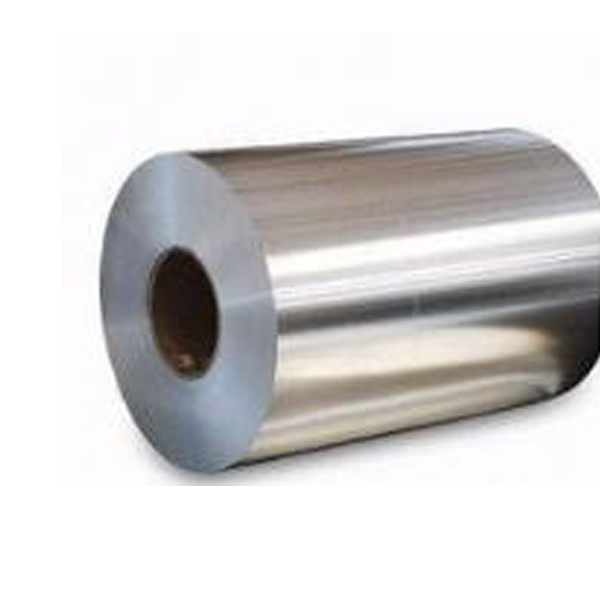
To resolve these conflicting demands, Aluminum Sheet serves as a baseline material across multiple sectors. It provides a reliable, scalable foundation for lightweighting initiatives. Successful implementation requires matching specific alloy series to precise environmental and mechanical demands. Specifying the wrong temper or alloy grade leads to premature fatigue, catastrophic weld failures, or severe galvanic corrosion. Understanding the metallurgical properties of each series ensures optimal performance in the field.
Alloy Specificity is Critical: No single grade of aluminum sheet fits all applications; selection must align with yield strength, formability, and weldability requirements (e.g., 3003 for formability, 5052 for marine environments).
Lifecycle Cost vs. Upfront Price: While industrial aluminum sheet may carry a higher initial material cost than mild steel, ROI is realized through reduced weight, lower transportation costs, and minimal anti-corrosion maintenance.
Compliance and Traceability: High-stakes industries (aerospace, medical, structural construction) require strict adherence to ASTM standards and verified Material Test Reports (MTRs) to mitigate liability.
Mitigating Implementation Risks: Successful adoption requires proactive engineering to prevent galvanic corrosion in multi-metal assemblies and accounting for alloy-specific springback during the forming process.
Density is the defining metric for material efficiency. Aluminum offers approximately one-third the density of carbon steel. This physical reality fundamentally alters project economics. Lighter materials reduce structural dead loads, allowing architects to design larger spans with less foundational support. In transportation, shedding structural weight directly increases allowable payload capacity. Every pound saved in the chassis translates to an additional pound of freight revenue.
Engineers evaluate weight reduction against required tensile strength. You must calculate the specific strength of the chosen alloy. While mild steel has a higher absolute tensile strength, certain heat-treated aluminum alloys match or exceed steel's strength-to-weight ratio. This allows manufacturers to maintain crashworthiness and structural rigidity while drastically cutting mass. Operational savings in fuel and transportation logistics quickly offset initial material investments.
Material | Density (lb/in⊃3;) | Typical Yield Strength (ksi) | Specific Strength Ratio |
|---|---|---|---|
Carbon Steel (A36) | 0.284 | 36 | Baseline |
Aluminum 3003-H14 | 0.099 | 21 | Moderate |
Aluminum 5052-H32 | 0.097 | 28 | High |
Aluminum 6061-T6 | 0.098 | 40 | Superior |
Aluminum protects itself through a natural passivation process. When exposed to oxygen, the base metal instantly forms a microscopic, tightly adhering aluminum oxide layer. This barrier prevents further oxidation. Unlike the flaking rust of carbon steel, this oxide layer repairs itself if scratched. This inherent property drastically reduces lifecycle maintenance costs in exposed environments.
You can eliminate routine painting and rust-mitigation schedules. However, you must understand the limitations of this passivation. Aluminum remains highly vulnerable in highly alkaline environments or when exposed to specific acidic compounds. Concrete runoff, for example, can degrade the oxide layer. Specifying the correct alloy and applying secondary protective coatings is necessary when deploying aluminum in chemically aggressive zones.
Manufacturing compatibility dictates production speed. You must evaluate the inverse relationship between an alloy's formability and its machinability. Formability measures the material's ability to bend, stretch, and deep-draw without cracking. Softer alloys excel here but perform poorly in CNC centers. They tend to gum up cutting tools and produce long, stringy chips that foul machinery.
Conversely, highly machinable alloys contain elements that promote clean chip formation and reduce tool wear. These same elements make the metal brittle during bending operations. Selecting the right Industrial Aluminum Sheet requires prioritizing your primary manufacturing method. If your design requires tight bend radii, you must sacrifice some machining speed. If precision milling is the primary operation, you must design with larger bend radii or utilize hot forming techniques.
Aerospace engineering demands absolute material reliability. Applications include fuselage skins, wing panels, internal non-structural components, and aerospace-grade structural brackets. Every gram of weight impacts fuel consumption and range. Engineers evaluate materials based on extreme fatigue resistance, fracture toughness, and performance under severe thermal cycling.
This sector relies heavily on the 2000-series and 7000-series alloys. Grades like 2024 and 7075 offer exceptional strength-to-weight ratios necessary for high-stress flight conditions. However, this strength comes with a trade-off in weldability. These high-strength alloys are generally joined using mechanical fasteners, rivets, or specialized friction stir welding, as traditional fusion welding degrades their mechanical properties and introduces unacceptable porosity.
The automotive sector utilizes aluminum to meet stringent fuel efficiency mandates and extend EV battery range. Focus areas include body-in-white components, heat shields, trailer siding, commercial vehicle flooring, and heavy-duty transport containers. The primary evaluation dimensions are lightweighting, crashworthiness, and dent resistance.
Manufacturers rely on 5000-series and 6000-series alloys. These grades provide a necessary balance of strength and formability. The 5000-series is frequently used for inner body panels due to its excellent drawing characteristics. The 6000-series, being heat-treatable, is utilized for outer panels where dent resistance and structural rigidity are paramount after the paint-baking process.
Modern architecture depends on aluminum for both structural and aesthetic applications. Common uses include exterior facades, roofing, flashing, storefronts, marquees, channel letters, high-traffic anti-vandalism cladding, elevator interiors, and architectural trim panels. Evaluators prioritize weatherability, aesthetic finishing compatibility, surface flatness, and wind-load resistance.
Alloy 3003 is the standard for general roofing and flashing due to its workability. Alloy 5005 is specified for architectural anodized finishes because it provides a uniform color response. Prepainted aluminum sheet options dominate high-visibility signage, offering long-lasting color retention and resistance to UV degradation.
Harsh environments require specialized metallurgical properties. Applications encompass process vessels, industrial pipework, chemical storage tanks, desalination plants, and marine vessel hulls. The critical evaluation dimensions are resistance to saltwater corrosion, compatibility with aggressive chemical reagents, and weld-joint integrity.
Alloys 5083 and 5086 stand as industry standards for marine and chemical applications. They deliver exceptional performance in harsh environments. Their high magnesium content provides superior resistance to seawater corrosion while maintaining excellent strength after welding, making them ideal for heavy-duty structural applications in maritime engineering.
The packaging and appliance sectors prioritize hygiene and thermal properties. Focus applications include beverage cans, food-grade enclosures, pharmaceutical packaging, appliance wrappers, and heat exchangers. Engineers evaluate non-toxicity, barrier properties against light and oxygen, extreme deep-drawing capabilities, and thermal conductivity.
Alloys 1100 and 3004 are heavily utilized here. The 1100 series offers high purity and excellent thermal properties, ideal for heat exchangers. The 3004 alloy provides the precise forming characteristics required for the high-speed deep drawing of beverage cans, maintaining structural integrity even at extremely thin gauges.
The 1000 series represents commercially pure aluminum. It features a minimum 99.0% aluminum content. This purity delivers superior electrical and thermal conductivity alongside excellent corrosion resistance. It is highly ductile and easily formed into complex shapes using standard press brake operations.
This series is the best fit for chemical equipment, heat exchangers, food processing components, and decorative trim. However, it possesses extremely low structural strength. You cannot harden the 1000 series by heat treatment. It relies entirely on cold working for minor strength increases, making it unsuitable for load-bearing structural applications.
Manganese is the primary alloying element in the 3000 series. This addition provides approximately 20% more tensile strength than the 1100 series while maintaining excellent workability and weldability. It strikes a practical balance for general fabrication shops.
Alloy 3003 is the best fit for sheet metal work, ductwork, chemical equipment, and commercial signage. It bends easily without cracking. Like the 1000 series, it is not heat-treatable. You should avoid specifying 3000 series alloys for high-load structural applications where yield strength is critical.
Magnesium alloying defines the 5000 series. This combination delivers high strength, excellent saltwater corrosion resistance, and good weldability. It is one of the strongest non-heat-treatable aluminum grades available on the market.
Alloy 5052 is the best fit for marine components, electronic enclosures, pressure vessels, and transport tanks. It performs exceptionally well in aggressive environments. However, alloys in this series with very high magnesium content are susceptible to stress-corrosion cracking at elevated temperatures. You must monitor operating temperatures carefully.
Silicon and magnesium are the primary alloying elements in the 6000 series. This creates a heat-treatable sheet with high structural integrity and excellent corrosion resistance. It is highly versatile and responds well to standard machining operations.
Alloy 6061 is the best fit for base plates, structural framing, and highly machined components. Its main limitation is poor bendability in the fully hardened T6 temper. To prevent cracking during fabrication, you must perform severe forming operations in the annealed (O) temper or design parts with significantly larger bend radii.
Alloy Series | Primary Alloying Element | Key Characteristic | Common Application |
|---|---|---|---|
1000 Series (1100) | None (99% Pure) | High Thermal/Electrical Conductivity | Heat Exchangers, Food Processing |
3000 Series (3003) | Manganese | Excellent Formability | HVAC Ductwork, Signage |
5000 Series (5052) | Magnesium | Saltwater Corrosion Resistance | Marine Hulls, Pressure Vessels |
6000 Series (6061) | Magnesium & Silicon | Heat-Treatable Structural Strength | Machined Parts, Structural Frames |
Galvanic corrosion destroys multi-material assemblies rapidly. This risk occurs when aluminum sheet is in direct physical contact with dissimilar metals, such as carbon steel or copper, in the presence of an electrolyte like saltwater or high humidity. The aluminum acts as the anode and corrodes at an accelerated rate.
Mitigation requires strict engineering controls. Follow these steps to prevent galvanic failure:
Implement dielectric isolation between the metals using non-conductive shims or neoprene gaskets.
Apply specialized barrier coatings to the dissimilar metal before assembly.
Use compatible stainless steel hardware (300 series) to fasten components.
Apply dielectric grease to all threaded connections to block moisture ingress.
Welding aluminum presents unique challenges compared to steel. The primary risks include weld porosity, hot cracking, and a significant loss of mechanical properties in the Heat Affected Zone (HAZ). The high thermal conductivity of aluminum requires higher heat input, which can distort thin sheets.
Mitigation demands precise procedures. You must specify the appropriate filler metals, such as 4043 or 5356, based on the base alloy and required weld strength. Implement strict pre-weld cleaning protocols using dedicated stainless steel brushes to remove the refractory oxide layer. Account for post-weld heat treatment considerations if structural integrity in the HAZ is critical.
Paint or powder coat delamination is a common failure mode. The natural aluminum oxide layer, while protective against corrosion, provides a poor bonding surface for organic coatings. Applying paint directly to bare aluminum guarantees eventual peeling and failure.
Mitigation requires rigorous surface preparation. Outline the requirement for chemical conversion coatings, such as alodine or chem film, prior to final finishing. Alternatively, specify anodizing to create a porous, receptive surface. These pre-treatments ensure long-term adhesion and prevent moisture ingress beneath the coating layer.
Procuring materials at scale requires balancing availability against exact specifications. Utilizing service centers provides faster availability and cut-to-size options. Direct mill runs enforce strict minimum order quantities and significantly longer lead times.
You must address standard thickness tolerances. Gauge variations occur during the rolling process. These minor fluctuations impact precision manufacturing, especially in automated stamping or deep-drawing operations. Specify tight-tolerance material if your tooling clearances are minimal.
Traceability mitigates liability. Emphasize the critical nature of Material Test Reports (MTRs) for verifying chemical composition and mechanical properties. Do not accept material without documented provenance, especially for structural or aerospace applications.
Outline common compliance frameworks required by procurement teams. Ensure your supply chain adheres to standards such as ASTM B209 for aluminum sheet, AMS specifications for aerospace applications, and ISO 9001 supplier certification. Verifying these credentials prevents catastrophic failures caused by counterfeit or off-spec materials.
Audit your current material specifications to ensure the selected alloy temper matches your primary manufacturing method.
Request verified Material Test Reports (MTRs) from your supplier for all structural sheet orders.
Update your assembly drawings to include specific dielectric isolation requirements where aluminum contacts steel.
Revise your welding procedures to mandate dedicated stainless steel wire brushes for pre-weld oxide removal.
A: Most 7000-series alloys, like 7075, are considered non-weldable using traditional fusion methods. The heat causes micro-cracking and severe loss of structural integrity. They require mechanical fastening or specialized friction stir welding.
A: Paint peels because bare aluminum forms an oxide layer that rejects organic coatings. You must apply a chemical conversion coating or anodize the surface prior to painting to ensure proper adhesion.
A: Alloy 3003 is highly formable and used for general sheet metal work. Alloy 5052 contains magnesium, making it significantly stronger and highly resistant to saltwater corrosion, though slightly harder to bend.
A: Prevent galvanic corrosion by breaking the electrical connection. Use dielectric isolation, such as nylon washers, specialized anti-corrosion pastes, or specify compatible stainless steel fasteners instead of carbon steel.
A: Yes. Prolonged exposure to elevated temperatures degrades the mechanical properties of aluminum. Heat-treatable alloys will lose their temper, and high-magnesium alloys may become susceptible to stress-corrosion cracking.


