
- All
- Product Name
- Product Keyword
- Product Model
- Product Summary
- Product Description
- Multi Field Search
Views: 0 Author: Site Editor Publish Time: 2026-05-19 Origin: Site


Is it really safe to use aluminum in direct contact with the food we eat and the beverages we drink every day? It's a question that has generated more confusion than clarity over the years, leaving many food and beverage processing engineers and procurement professionals uncertain about their material choices. The short answer is yes—but the details matter enormously, and understanding them is the key to making sound specification decisions.
This article cuts through the noise to examine the scientific evidence, regulatory framework, and practical engineering reasons why aluminum has earned its place as a mainstream choice in food and beverage processing equipment worldwide. We'll cover everything from alloy selection and surface treatment to regulatory compliance and total cost of ownership.
By the time you finish reading, you'll have a clear understanding of suitability for food contact, the specific alloys and treatments that ensure safety, and how to specify components that meet the industry's strictest hygiene and performance standards without over-engineering or over-spending on unnecessary specifications.
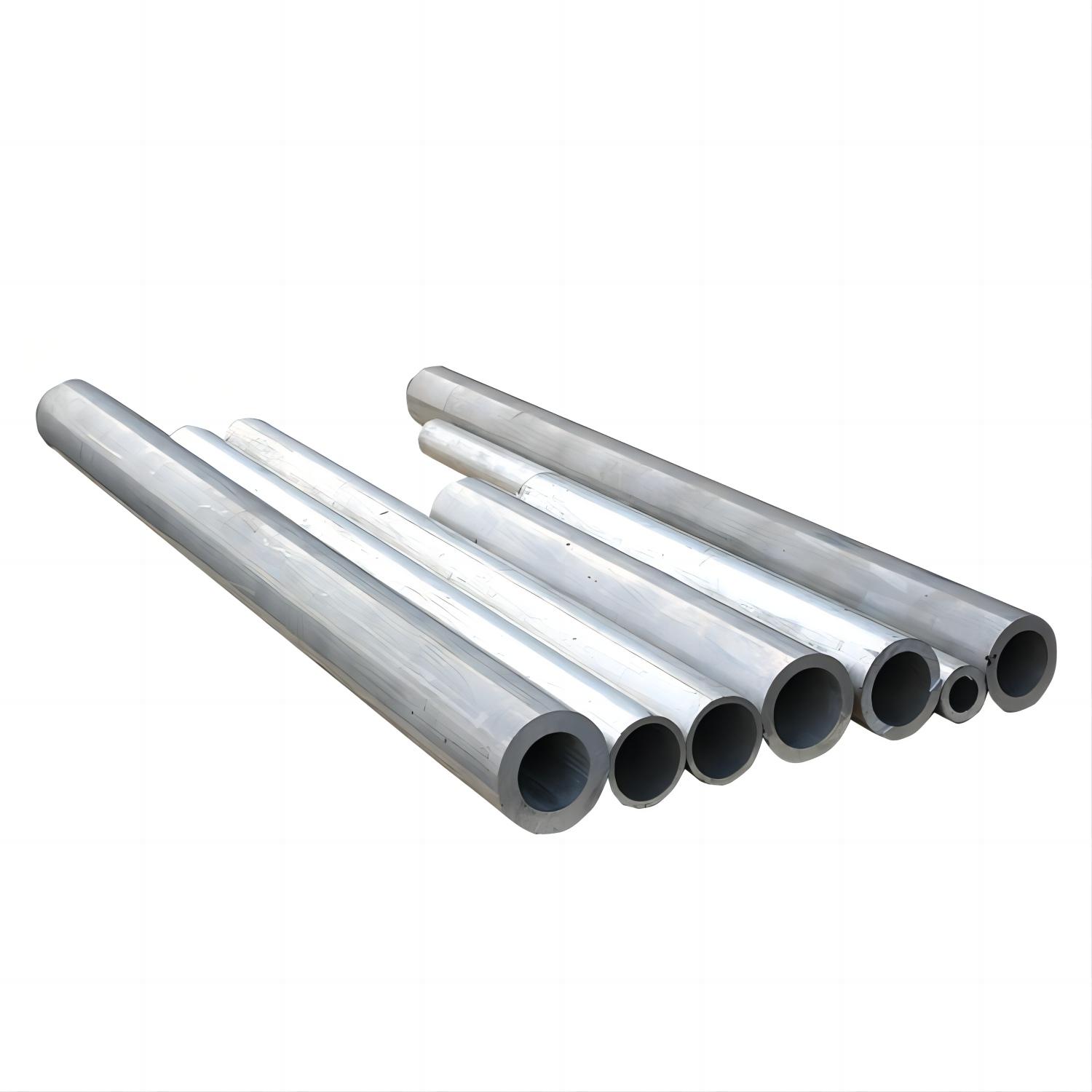
Aluminum brings a remarkable combination of properties to food and beverage processing applications that no other single material can match at the same cost point. It's lightweight—roughly one-third the density of stainless steel—which reduces structural loads on processing lines and makes installation and maintenance significantly easier. Its thermal conductivity (approximately 237 W/m·K for pure material) far exceeds that of stainless steel (around 16 W/m·K), making it exceptional for heat exchange applications in pasteurization, cooling, and cooking processes. And its natural resistance to corrosion comes from a self-forming oxide layer that protects the metal from the water, steam, and mild cleaning agents ubiquitous in food plants. These aren't marginal advantages—they're transformative when you're designing equipment that needs to perform reliably for decades in wet, chemically active environments where downtime is expensive and food safety is non-negotiable.
When exposed to air, aluminum spontaneously forms a thin (2-5 nanometer) oxide film on its surface. This passive layer is chemically stable, non-toxic, and effectively prevents further oxidation or corrosion under neutral pH conditions. For food contact, this means the bare metal is shielded from the food, and the food is shielded from the metal. The oxide layer is so stable that it's approved for food contact by major regulatory bodies worldwide, including the US FDA and the European Food Safety Authority. When the surface is anodized—thickening this oxide layer to 10-100+ microns—the protective barrier becomes far more robust, providing virtually complete isolation between the substrate and any food product it contacts, which is why anodized surfaces are the standard specification for acidic food contact applications.
Alloys like 3003 and 3004 dominate food packaging applications—think beverage cans, food containers, and kitchen foil. The 3000 series offers excellent corrosion resistance, good formability, and consistent performance in contact with a wide range of food products. Manganese is the primary alloying element, which strengthens the metal without compromising its behavior or safety profile. These alloys are the backbone of the global beverage can industry, handling billions of units annually without food safety incidents. Their proven track record over decades of use makes them the lowest-risk specification for food contact applications where the material must perform reliably at massive scale.
When food processing environments involve frequent washdowns, humid conditions, or mildly corrosive substances, 5052 and 5083 alloys step up to the challenge. With magnesium as the primary alloying element, the 5000 series delivers superior corrosion resistance—good enough for marine applications—while maintaining excellent weldability and formability. These alloys are frequently specified for food processing tanks, brewing equipment, and dairy plant piping where durability under aggressive cleaning regimes is essential. In plants that run daily CIP (Clean-In-Place) cycles with alternating caustic and acid cleaners, 5000 series maintains its surface integrity far longer than many alternative materials, reducing the frequency and cost of equipment replacement.
For equipment frames, conveyor systems, and machined parts that require both strength and corrosion resistance, 6061 and 6063 are the go-to choices. The 6000 series balances mechanical performance with good anodizing response, making it ideal for visible food and beverage processing equipment that needs to look professional while standing up to daily sanitation cycles. The Aluminum Round Pipe in 6063 alloy, for instance, serves double duty in food plants—as both structural support for overhead systems and fluid conveyance for process water and cleaning solutions, demonstrating the material's versatility in demanding processing environments.
Temperature control is critical in food processing, and it's not an exaggeration to say that imprecise thermal management can compromise both safety and quality. Undercooking, insufficient cooling, or uneven heat distribution creates conditions where pathogens survive or product quality degrades. The thermal conductivity of this material is approximately 15 times that of stainless steel, which means faster heat transfer, more responsive temperature control, and more compact heat exchanger designs. In dairy pasteurization, heat exchange plates can achieve target temperatures more quickly and with less energy input than equivalent stainless designs. For a high-throughput processing line running 24/7, that efficiency translates directly into measurable energy and cost savings that accumulate throughout the equipment's operational life.
Every kilogram of equipment weight adds to structural support requirements, installation labor, and long-term maintenance effort. The low density means lighter processing frames, easier-to-handle piping runs, and reduced loads on building structures. In a large food processing facility, switching from stainless steel to aluminum structural framing can reduce the weight of overhead pipe supports by 60-70%, cutting both material costs and installation time. These savings compound over the facility's lifetime through reduced crane requirements during maintenance shutdowns and easier component replacement during upgrades—operational efficiencies that are easy to overlook during initial specification but become very apparent during facility management.
Food processing plants are wet environments—there's no way around it. Steam, water spray, cleaning chemicals, and food acids create a corrosive atmosphere that attacks many metals relentlessly. The natural oxide layer provides a baseline of protection, and anodizing significantly enhances it. Treated surfaces resist attack from the weak acids found in many food products (citric acid, acetic acid, lactic acid) and the alkaline cleaning solutions used in daily sanitation. The Aluminum Anodized Sheet is particularly effective in food contact applications where an enhanced oxide barrier provides additional protection against both corrosion and metal ion migration into food products, which is a critical concern for regulatory compliance.
Food safety standards demand surfaces that resist bacterial adhesion and are easy to clean and sanitize. A smooth surface—especially when anodized or polished—provides fewer microscopic crevices for bacteria to colonize compared to many other materials. Anodized surfaces can achieve surface roughness values below 0.8 μm Ra, meeting the hygiene requirements of CIP systems used throughout the food and beverage industry. The non-porous sealed oxide layer doesn't absorb food residues or cleaning chemicals, making it straightforward to sanitize between production runs and ensuring compliance with HACCP, FDA, and ISO 22000 food safety requirements that govern modern food processing operations.
The dominance of aluminum in heat exchange applications within food processing is well established and continues to grow. Plate heat exchangers for milk pasteurization, shell-and-tube units for juice processing, and finned-tube evaporators for cold storage all leverage the thermal conductivity advantage. In modern high-temperature short-time (HTST) pasteurization systems, heat exchange plates achieve the rapid temperature changes essential for pathogen reduction while preserving product flavor and nutritional quality. The thermal responsiveness also means tighter process control—less temperature overshoot, more consistent product quality, and reduced waste from out-of-specification batches that would otherwise need to be discarded or reprocessed at significant cost.
Food-grade piping transports everything from process water and steam to beverages and liquid food products throughout processing facilities. The smooth interior surfaces minimize friction losses and resist scale buildup that can harbor bacteria and compromise hygiene. In beverage production, the taste-neutral character is crucial—the pipe material must not impart any flavor or odor to the product. The Aluminum Rectangular Bar serves as structural support for these piping networks, providing the strength needed for overhead mounting while maintaining the corrosion resistance required in humid processing environments where condensation is a constant presence that would rapidly degrade unprotected steel alternatives.
Anodizing isn't just about corrosion resistance in food processing—it's a food safety enhancement that provides multiple layers of protection. The thickened oxide layer creates a harder, more chemically inert surface that resists both corrosion and metal ion migration into food products. For acidic food contact, anodized surfaces are the standard recommendation because the oxide barrier prevents the acid dissolution that can occur with bare metal. Hard anodizing (Type III) is specified for the most demanding food contact applications, providing a surface that's essentially inert to food acids and alkaline cleaners alike. This treatment also improves wear resistance, meaning the surface maintains its hygienic properties even after years of daily cleaning cycles with aggressive sanitizing agents.
From milk storage tanks to cheese vats, yogurt filling lines to cream separators, aluminum components are integral to dairy processing worldwide. The thermal conductivity is essential for the rapid cooling and precise temperature control that dairy products demand. Heat exchanger plates in pasteurization systems process millions of liters of milk daily, and the corrosion resistance ensures long service life even with daily CIP cycles using caustic and acid cleaners. The brewing industry similarly relies on this material for fermentation vessel components, heat exchangers, and piping systems—both in craft breweries and large-scale production facilities where consistent product quality and equipment reliability are paramount.
Restaurant and institutional kitchens use aluminum extensively: cooking pots, baking sheets, steam table pans, and food prep surfaces. The material heats evenly and rapidly, cleans easily, and withstands the thermal cycling of commercial cooking. Beyond processing equipment, it's the dominant material in flexible food packaging, container closures, and barrier films—consuming millions of tons annually in forms ranging from ultra-thin foil to rigid containers. The barrier properties against oxygen, moisture, and light make it indispensable for food preservation at every scale from household to industrial.
Beyond traditional dairy, brewing, and packaging applications, aluminum is finding new roles in plant-based food processing, cultured meat production, and vertical farming systems. These emerging segments share the same fundamental requirements as conventional food processing—hygiene, thermal management, and corrosion resistance—but often demand greater customization and smaller production runs that favor versatile fabrication capabilities. Aluminum's adaptability in extrusion, machining, sheet forming, and welding makes it well-suited to the rapid prototyping and iterative design processes common in these nascent industries. As global food production evolves toward more sustainable and localized models, the combination of performance, recyclability, and cost-effectiveness positions it as the structural and functional material of choice for next-generation food processing facilities that must deliver both efficiency and environmental responsibility.
The global sustainable food packaging market is growing at over 8% annually, and aluminum is central to this trend. Regulatory frameworks are tightening globally—the EU's updated food contact material regulations, FDA's enhanced scrutiny of non-intentionally added substances, and China's GB 9685 revisions all push the industry toward more controlled, traceable material supply chains. Advanced surface treatment technologies like plasma electrolytic oxidation (PEO) and nano-ceramic sealing are expanding capabilities, creating surfaces that outperform conventional hard anodizing in aggressive food environments and opening applications previously reserved for stainless steel.
Specification | EW Halu Aluminum | Competitor A (Stainless Steel) | Competitor B (Copper) | Industry Average |
|---|---|---|---|---|
Thermal Conductivity (W/m·K) | 237 | 16 | 401 | 85 |
Density (g/cm³) | 2.7 | 7.9 | 8.9 | 5.2 |
Corrosion Resistance (food acids) | Excellent (anodized) | Excellent | Poor | Good |
Taste/odor neutrality | Excellent | Excellent | Moderate | Good |
Recyclability | 100% | 100% | 100% | 100% |
Cost per kg (relative) | 1.0x | 2.5-3.5x | 3.0-4.0x | 2.0x |
Weight for equivalent strength | Lightest | Heavy | Heavy | Moderate |
Maintenance requirement | Low | Low | High | Moderate |
The data tells a clear story: aluminum offers the best combination of thermal performance, weight, cost, and food safety for the majority of processing applications. Stainless steel wins only where maximum chemical resistance is paramount; copper's thermal advantage is negated by its corrosion and taste interaction issues with food products.
Never assume that any aluminum product is food-grade without verification. Request documentation of compliance with FDA 21 CFR, EU Regulation 1935/2004, or other applicable food contact regulations. Your supplier should provide alloy certification, migration test results, and full traceability documentation. Match the alloy to the application: 3003 or anodized 5000/6000 series for food contact surfaces exposed to acids, 5052 or 6061 for structural components in wet environments, and high-purity alloys for heat exchange applications where maximum thermal conductivity is needed. For direct food contact, specify anodizing type (Type II for general food plant use, Type III for high-wear or high-acid environments), thickness, and sealing method to ensure consistent performance.
The lower material cost compared to stainless steel is obvious, but the total cost advantage extends well beyond the per-kilogram price. Lighter equipment means less expensive structural support, easier installation, and lower shipping costs. Better thermal conductivity means smaller heat exchangers and lower energy consumption. Longer service life in CIP environments means fewer replacements and less downtime. When procurement teams evaluate on a total lifecycle cost basis rather than just material price, the business case becomes compelling and often decisive. Equally important is supply reliability—food processing operations cannot afford disruptions. Partnering with an integrated supplier who maintains stock inventory, offers customization, and provides consistent quality certification reduces risk and simplifies the entire procurement process from specification through delivery.
A: Yes, when the appropriate alloy and surface treatment are specified. Food-grade alloys (3003, 5052, 6061, and others) are approved for food contact by the FDA, EFSA, and other major regulatory bodies worldwide. Anodized surfaces provide an additional inert barrier that further reduces any risk of metal ion migration into food products, making them the preferred specification for most food contact applications.
A: Bare surfaces can react with strongly acidic foods (tomatoes, citrus, vinegar-based products), potentially causing slight ion migration. However, anodized surfaces create an inert oxide barrier that effectively prevents this reaction. For any acidic food contact application, anodized aluminum is the recommended specification to ensure both safety and regulatory compliance.
A: The thermal conductivity (237 W/m·K) is approximately 15 times higher than stainless steel (16 W/m·K). This means faster, more efficient heat transfer, which translates to more compact equipment, lower energy consumption, and more precise temperature control—all critical advantages in pasteurization and cooling processes where temperature precision directly affects food safety and product quality.
A: Yes, aluminum pipes are widely used for transporting beverages, water, and process fluids in food and beverage plants. The key requirements are using food-grade alloys, ensuring proper surface treatment (anodizing for acidic products), and maintaining the smooth interior surfaces necessary for CIP cleaning and hygiene compliance. The taste-neutral character of the material makes it particularly suitable for beverage applications.
A: Aluminum typically costs 60-70% less per kilogram than food-grade stainless steel (304 or 316). When you factor in the lower density (requiring less total weight for equivalent designs) and easier fabrication, the component cost difference can be even more significant. For non-highly-corrosive food and beverage processing applications, it delivers equivalent or better performance at substantially lower total cost.
A: Aluminum and anodized food processing equipment can be cleaned using standard CIP protocols with mild alkaline and acid cleaning solutions. Avoid highly caustic solutions (pH above 11) on bare surfaces, as they can attack the oxide layer. Anodized surfaces tolerate a broader pH range. Always follow the cleaning agent manufacturer's recommendations and verify compatibility with your specific alloy and surface treatment to prevent unexpected degradation.
This material has earned its place in food and beverage processing through a unique combination of properties that no alternative can replicate at the same cost point. Its thermal conductivity, lightweight nature, corrosion resistance, food safety compliance, and recyclability make it the logical choice for everything from heat exchangers and piping to structural framing and packaging. With proper alloy selection and surface treatment—particularly anodizing—aluminum delivers safe, reliable, and cost-effective performance across the full spectrum of food and beverage processing applications. For procurement professionals and engineers designing the next generation of food processing facilities, it isn't just an option—it's a strategic advantage that pays dividends throughout the equipment lifecycle. The regulatory landscape will only continue to tighten in the coming years, making early adoption of properly specified and documented components a proactive strategy rather than a reactive necessity that catches organizations off guard during compliance audits.


